
Granny flat liability and insurance implications
23 Feb 2026, Insurance, LBP & Regulation, Learn
Building under the new 70m2 “granny flat” exemption rules? It’s important you consider the liability and insurance implications. This article, part one of a two-part series by construction risk expert Ben Rickard, does exactly that
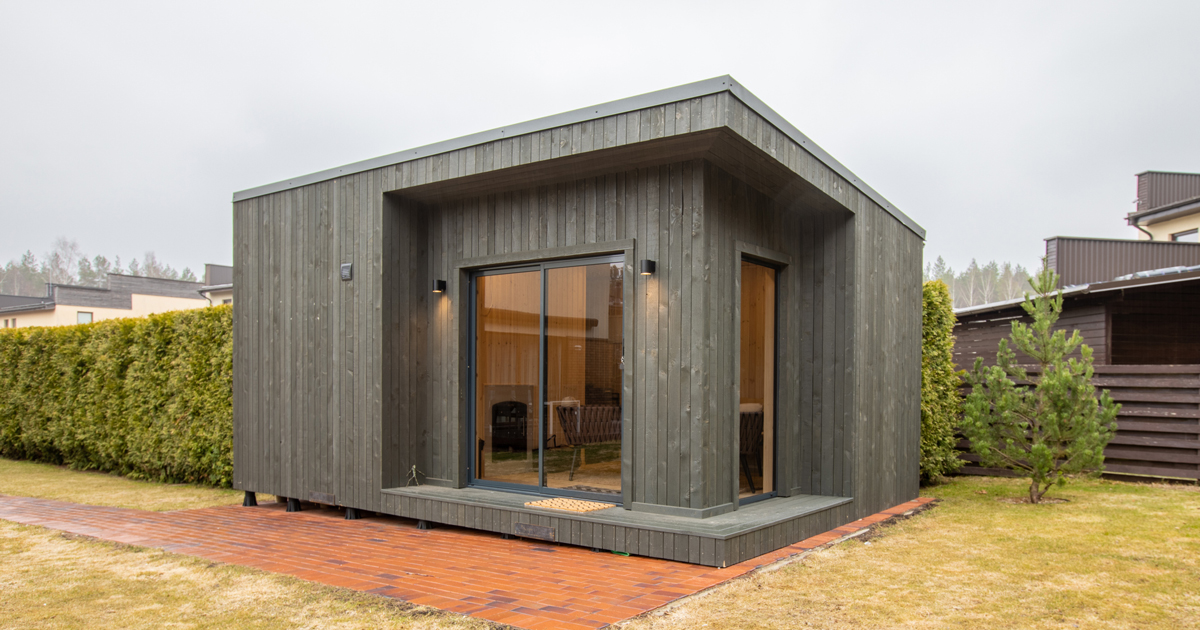
From 15 January 2026, an exemption to the Building Act means single-storey, stand-alone dwellings less than 70m2 can be built without a building consent. There are several conditions to meet before the exemption applies, so it’s critical builders understand what they can and can’t do. Failure to comply with these conditions could leave you exposed to liability.
What liability could LBPs be exposed to?
Most obviously, if an LBP gives incorrect advice to a homeowner about whether the granny flat exemption applies, they could be held liable for costs or losses incurred by the homeowner. This could include additional fees homeowners incur, costs to relocate or remediate issues with the dwelling, or in a worst-case scenario, demolition of the building.
If you’re helping homeowners with their application for a Project Information Memorandum (PIM) from their local Council, there are many aspects to consider, so it’s critical you have a robust process and contractual terms and conditions.
When issuing a PIM, a Council must indicate whether it’s likely, unlikely or unclear whether the proposed building work meets the ‘granny flat’ exemptions outlined in to meet the granny flat clause of Schedule 1A. They must also include a statement about natural hazards.
MBIE’s Granny Flat Exemption Guidance makes it clear that if a homeowner decides to proceed despite a Council indicating that proposed work does not meet the granny flat exemption criteria, they are responsible for any non-compliance. However, that doesn’t mean that they won’t be able to hold any professional that was assisting them liable as well.
Builders could also be exposed to fines under the Building Act, particularly if they fail to apply for a building consent when one is required for the work. Another example to consider is the natural hazard exposure of the property. If there’s a risk of flooding or subsidence, then “adequate provision” for this must be allowed for and specific protection measures included in the granny flat design.
Failure to do so could expose the builder to liability if the granny flat is built under the exemption, but should have gone through the building consent process.
Additional considerations
While building granny flats is now largely permitted under the Resource Management Act, there are still conditions. Failure to comply with these could result in prosecution. Some local council district or unitary plans also still apply, such as rules about subdividing land, earthworks and specific infrastructure requirements.
If things turn to custard, the homeowner could also make a complaint to the LBP Board. If upheld, the LBP may face disciplinary action, including paying costs, a fine and the possibility of a licence suspension.
Under implied warranties, any work carried out must still comply with the Building Code and, without inspections, the LBP is reliant on their own skills and experience to ensure that it complies. While the current homeowners may be happy to cut a few corners to keep the price down, if the property is sold, the new owners may not be quite so forgiving.
None of the above will be covered by a builder’s public liability insurance, which is limited to cover for accidental property damage and won’t pay out for errors in professional advice or design. Nor will it be covered by contract works insurance.
Fines imposed under the Building Act can be insured by statutory liability insurance, but breaches of the Resource Management Act cannot (although the cost of defending a prosecution will still be covered). To be covered by a statutory liability policy, the breach must have been unintentional. Some insurers also include cover for defending complaints to the LBP Board (and the fines) under their statutory liability cover. There are some standalone LBP policies available which do this as well.
Advice, planning, design and build risks
If you’re providing professional services such as design, advice and project management, professional indemnity insurance is needed. These policies can have limited scope, often just specific to design, engineering and surveying rather than also covering construction aspects such as project and construction management. However, design & construct professional indemnity is available and would typically be the best option for builders involved in the whole process.
It’s still important to ensure that anyone providing these services has the appropriate qualifications to do so, such as an LBP Design license for the design portion. Under the Building Act, a designer includes anyone who gives advice about building work, compliance with the Building Code and whether or not work requires a consent. This could include a builder who takes on the role of designer and drafts some plans for a client detailing work that will not require a building consent. In the case of an exempt granny flat however, an LBP Design licence holder must be involved.
Both legally and contractually, even if you are subcontracting out some aspects of these professional services, you may still be responsible for them if they go wrong, so covering your liability for their errors is also prudent.
______________________________________
Builtin are New Zealand’s Construction Risk Management Experts. For more information visit www.builtin.co.nz, email Ben Rickard at ben@builtin.co.nz or call him on 0800 BUILTIN.
Register to earn LBP Points Sign in