
Tiny homes on wheels are not granny flats
28 Nov 2025, Building & Housing, Industry News, News, Regulatory
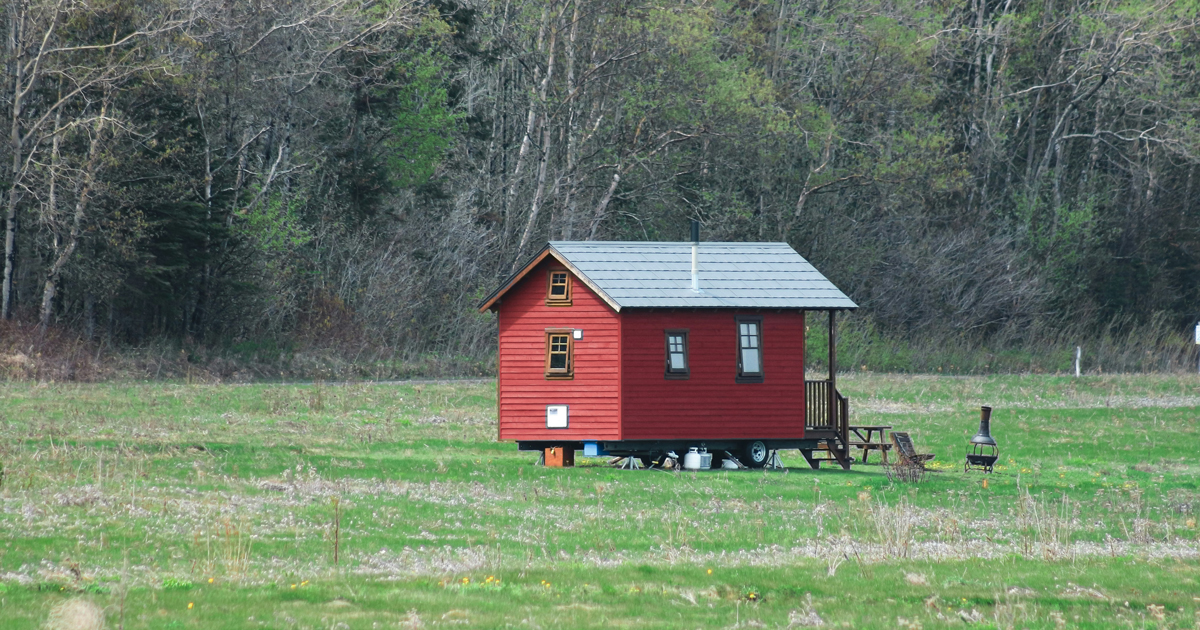

A court ruling serves as a reminder to builders that tiny homes on wheels are not classified as granny flats – and are not automatically covered by the Government’s new resource consent exemptions set to take effect in 2026
Although the Government is progressing with policy to exempt “granny flats” – defined as small standalone dwellings up to 70m², Housing and RMA Reform Minister Chris Bishop told Stuff in May that proposed updated national direction under the RMA would not be extended to tiny homes on wheels.
“Generally, I am interested in simplifying and standardising the rules around tiny homes, which gets raised with me regularly. However, this is not on our current work programme due to resourcing pressures,” he said.
The proposed mechanism for resource consent exemption is a National Environmental Standard (NES) for Granny Flats, which is still progressing through Parliament. If passed, it would allow one granny flat per site without requiring a resource consent – unless more lenient rules already exist under a local district plan.
Minister Bishop’s clarification follows a High Court ruling that a tiny home on wheels in Upper Moutere in the Tasman District, despite being transportable, was a building “fixed to the land” and required a resource consent. The case, involving Tasman District Council and Upper Moutere landowners Mathias and Christin Schaeffner, has resulted in the couple being ordered to pay over $58,000 in legal costs.
The decision reinforces that any small dwelling permanently located on a site – regardless of whether it has wheels – can be treated as a building under the Resource Management Act (RMA), and must comply with local planning rules unless specifically exempt.
However, the new exemptions championed by Minister Bishop will apply only to granny flats as defined in the legislation, and not to tiny homes on wheels.
Legal clarity after years of dispute
The Schaeffners moved a tiny home on wheels onto their Neudorf Road property in 2021. While they did not own the home, the Tasman District Council argued that the structure breached the local district plan and sought an enforcement order.
In 2024, the Environment Court ruled that the tiny home on wheels was “fixed to the land” and met the RMA’s definition of a building. That meant it required a resource consent under the Tasman Resource Management Plan. The Schaeffners appealed the ruling, arguing that because the dwelling was a mobile home and could be towed away, it should not be classified as a building.
Cost of non-compliance
The High Court rejected their appeal, concluding that the physical connection to the land and the intention for long-term use as accommodation was sufficient to meet the legal test. The couple were ordered to pay $46,800 in Environment Court costs and a further $11,950 in High Court costs.
The council noted that a resource consent for the tiny home might have cost the owners approximately $3,500 – a fraction of the $141,947 in combined legal costs now incurred by both sides in the case.
Clear distinction for builders
For builders and suppliers working in the small dwelling space, the rule is clear: granny flats and tiny homes on wheels are not the same thing. While granny flats up to 70m² will soon benefit from a streamlined consenting pathway, tiny homes remain subject to current local planning rules – especially where they are intended for permanent use.
Until the proposed NES is finalised and passed into law, all existing RMA requirements remain in force. Builders are advised to check local district plan rules and confirm whether both building and resource consent is required before proceeding with any small dwelling projects.
Register to earn LBP Points Sign in