

CBS calls for changes to mandatory warranty plans
31 Aug 2026, Industry News, News, Prove Your Know How
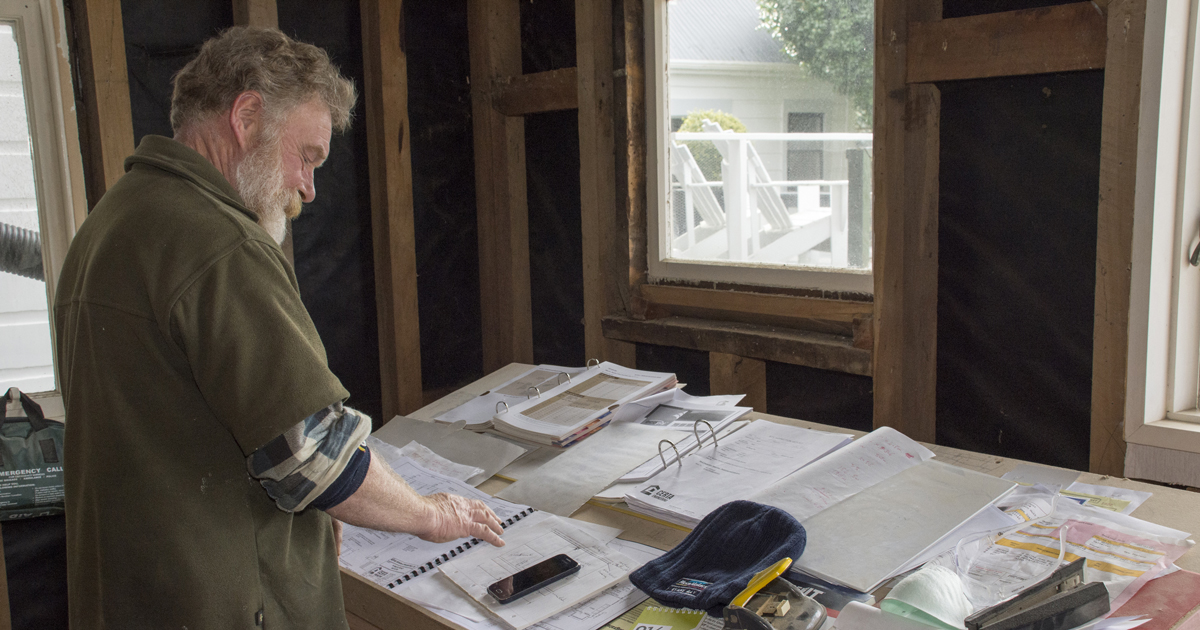
Combined Building Supplies Co-operative calls for changes to proposed mandatory residential building warranty framework, warning it could restrict some builders’ access to the market – but backs reforms designed to improve housing supply and affordability
The CBS Co-op has called for the proposed mandatory residential building warranty framework to be changed before it is introduced, warning that access to warranty products should not depend on a builder’s membership of an industry or commercial organisation.
The position is one of several construction policy priorities outlined in the co-op’s 2026 Election Manifesto. CBS represents more than 2,200 builders and tradies across New Zealand and Australia and says the manifesto was developed following consultation with builders, suppliers and other industry stakeholders.
Negative downstream impact
CBS Chief Executive Carl Taylor said the organisation supported stronger consumer protection but was concerned about the potential effect of the proposed warranty framework on builders.
“Everyone supports protecting homeowners but we cannot create a system that unintentionally locks good builders out of the industry, simply because they can’t access a warranty provider.”
CBS wants mandatory warranty products to remain independent of industry membership organisations and commercial groups. It says builders should be able to choose which organisations they belong to without that choice affecting their ability to obtain the warranty cover required to operate under a mandatory system.
“Consumer protection should never depend on which membership group a builder belongs to. Mandatory warranty products must be available through an independent, transparent and nationally consistent system that treats every builder fairly,” said Taylor.
CBS has also called for New Zealand to consider a government-backed approach to residential building warranties, pointing to Queensland’s home warranty framework as a potential model.
“Australia has shown there is a better way. Government-backed and government-underwritten warranty arrangements provide independent oversight, long-term stability and fair access for builders, while giving homeowners confidence that consumer protection is not tied to a commercial membership decision.”
Taylor said New Zealand should adopt the same principle by ensuring warranty products were independent and accessible across the industry.
Cautious support for RMA reform
While calling for changes to the warranty proposals, CBS has backed the Government’s proposed Resource Management Act reforms, which it says could improve housing affordability and reduce barriers to development.
“We commend the Government for progressing the proposed RMA reforms. Simplifying New Zealand’s planning system is essential if we are serious about increasing housing supply, improving affordability and giving builders greater certainty,” said Taylor.
CBS said it supported regulatory changes that reduced unnecessary compliance and improved productivity, while maintaining protections for homeowners.
“Our role isn’t to oppose reform – it’s to help shape good reform. We support changes that reduce unnecessary red tape, improve productivity and make it easier to build quality homes. Where reforms move the industry forward, they deserve our support.”
Consenting and liability among wider priorities
The manifesto sets out a wider range of priorities for the building sector, including faster and nationally consistent building consenting and greater accountability for unnecessary consenting delays.
CBS is also calling for full implementation of proportionate liability, reduced compliance costs and policies aimed at retaining skilled builders and apprentices in New Zealand.
Other priorities include increasing certainty for small and medium-sized building businesses and establishing what CBS describes as a competitive and independent building warranty market.
Taylor said delays and compliance requirements ultimately affected the cost of housing.
“Builders aren’t asking for special treatment. They’re asking for certainty. Every unnecessary delay, every layer of compliance and every poorly designed policy ultimately adds cost to the homes New Zealanders are trying to buy.”
CBS said its manifesto was intended to start discussions with political parties ahead of the election, with the co-operative calling for policies that improve housing affordability, consumer confidence and conditions for building businesses.
Register to earn LBP Points Sign in