

Deck height dispute prompts reminder on fall risk thresholds
30 Jan 2026, Disputes, Industry News, News
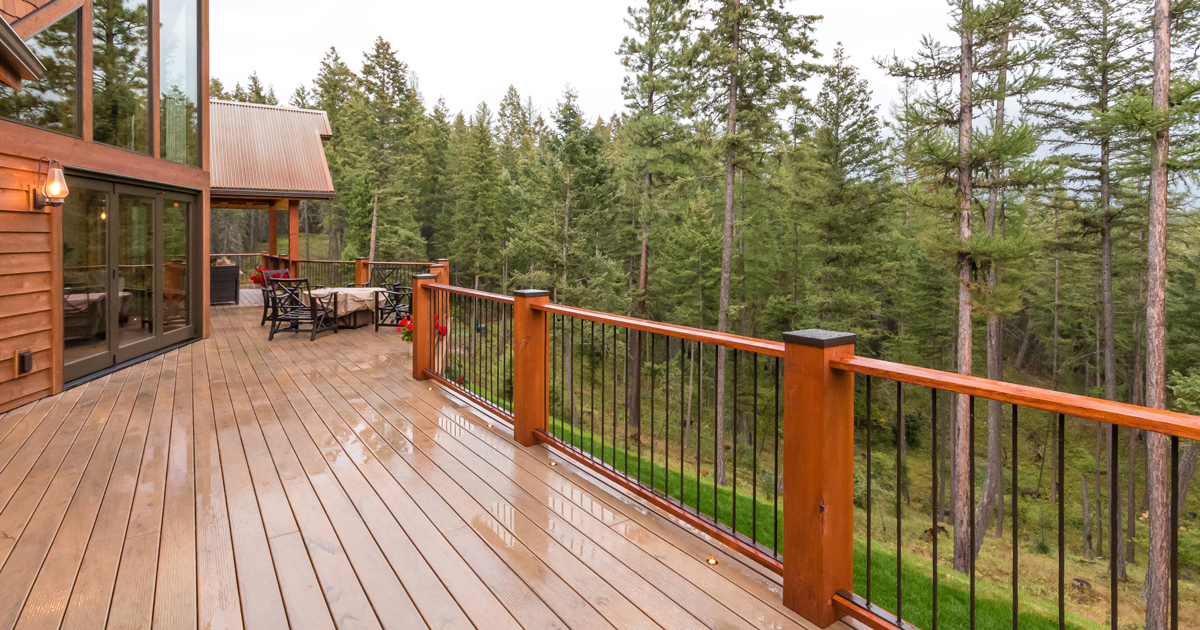
A recent building determination has served as a timely reminder about fall-from-height rules, particularly for work involving decks or platforms on sloped ground
Determination 2025/062, issued by the Ministry of Business, Innovation and Employment (MBIE) Principal Advisor Determinations Rebecca Mackie on 11 December 2025, involved a dispute between a property owner and Auckland Council over whether a timber deck constructed 1.42m above the ground without building consent required one.
The deck is built on ground which slopes towards the south-east. At the eastern end, the height of the deck varies between 0.8m and 1.42m above the supporting ground.
The council had issued a notice to fix in September 2024, claiming the work was not exempt under clause 24 of Schedule 1 of the Building Act 2004.
Clause 24 allows certain decks, platforms and similar structures to be built without consent provided that, if they collapsed, no one could fall more than 1.5m. The owner argued the deck height was under that limit, based on a vertical measurement from the deck to the immediate ground below. Auckland Council, however, assessed the potential fall height as 12.6m due to a slope, which travels 12.6m from the deck down to the eastern boundary of the properly and issued the notice on that basis.
Fall height distinction
During the determination, Mackie noted that the wording in clause 24 made it clear that fall height is different from the height of the deck above the ground.
“A person on a deck will not necessarily fall vertically and neatly within the footprint of the deck in the event of a collapse,” she wrote.
“Depending on how the deck collapses, a person may fall outwards and into the area immediately adjacent or surrounding the deck. If the deck is located on a slope, it is possible for a person to fall further than simply the height of the deck above the ground.”
Mackie added that previously determinations have confirmed that a sufficiently steep slope immediately adjacent to a fall can contribute to the fall height, as a person falling onto the slope will continue to fall down it.
“The relevant consideration is the fall in the actual circumstances – not only the vertical height directly beneath, but also the nature of the ground immediately surrounding it. If a steep slope exists immediately adjacent, that is a circumstance to be factored into the fall height,” summarised Mackie.
Ruled in favour of the homeowner
While Mackie agreed with Auckland Council’s rationale, she reversed the council’s notice to fix, finding that the deck complied with the exemption criteria under Schedule 1. While Auckland Council stated the approximate fall distance was 12.6m based on a slope at the rear of the property, Mackie decided the 15.5° gradient of the slope did not indicate it was sufficiently steep enough for a person to continue to fall or tumble down it.
The determination highlights how important it is to fully understand building consent exemptions. Builders and designers working on sloping sites should be cautious in how they assess fall heights when relying on Schedule 1 exemptions. Even experienced practitioners can face disputes if measurements or assumptions are not documented clearly, especially where natural ground levels vary.
Register to earn LBP Points Sign in