

Granny flat liability and insurance implications – part two
02 Mar 2026, Employer Tips, Insurance Tips
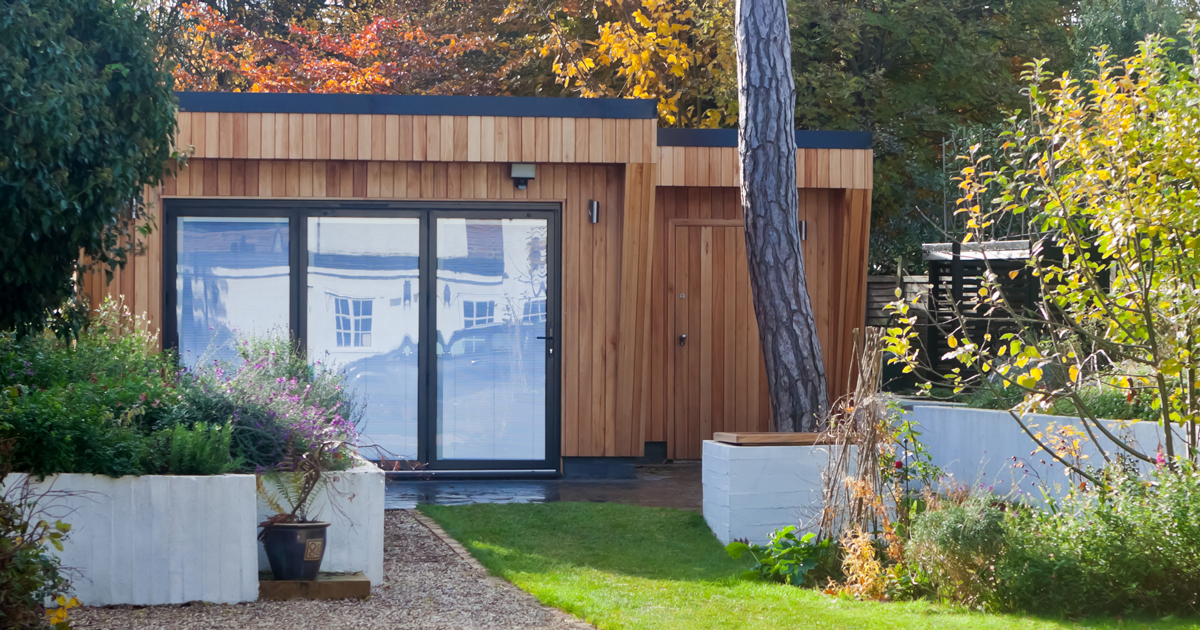
Building under the new 70m2 “granny flat” exemption rules? It’s important you consider the liability and insurance implications. This article, part two of a two–part series by construction risk expert Ben Rickard, does exactly that
From 15 January 2026, an exemption to the Building Act means single-storey, stand-alone dwellings less than 70m2 can be built without a building consent. There are several conditions to meet before the exemption applies, so it’s critical builders understand what they can and can’t do. Failure to comply with these conditions could leave you exposed to liability.
If you are not involved in granny flat design or planning, it reduces your obligations. However, it is still your responsibility to ensure all granny flats are built to code, that all documentation (such as Records of Work) is completed, and provided to the homeowner and Council. It is also your responsibility to ensure you comply with your obligations under the Building Act, such as providing a written contract, memorandum and disclosure.
However, as we all know (we certainly have seen many clients experience this), just because you weren’t involved with design or planning doesn’t mean you aren’t going to be dragged into the mess if things go wrong. This makes it more important that your paperwork is up to scratch, that you document everything and that you have the right insurance in place in case something does go wrong.
It is possible that an LBP contracted to “just build” a granny flat under the exemption may become aware that the construction doesn’t meet the exemption conditions and does require a consent. What is the LBP’s obligation in that situation? To raise it with the homeowner and/or designer? Or to “just do what I am told”? Unfortunately, putting your head in the sand is not going to help you when things blow up later. This is almost certainly a breach of the LBP Code of Ethics, as well as your duty of care to your clients.
As above, if you’re involved in building granny flats under the exemption, even if it’s only on the construction side, some design and construct professional indemnity cover is definitely worth considering.
A word about contract works insurance
Regardless of the approach to building it, contract works insurance will be needed during construction. This covers the cost of accidental damage or loss such as theft of materials, vandalism, fire, storm, flood or natural disaster.
As a new, standalone building, contract works insurance may be taken out by the builder (according to the terms of their contract), which is the common practice with full builds. However, since the granny flat build is on the property of an existing home, the homeowner’s insurer may also be approached to cover it. Who arranges it should be agreed in advance between builder and client, and since it will cover both the homeowner and the builder, the policy documentation should be shared with both before work starts.
Some house policies include an automatic benefit for “new building work”. However, a new self-contained dwelling would typically exceed the limits to which this extension applies, so a separate contract works insurance policy would almost always be required.
Once practically complete, the building will need to be covered by a house insurance policy.
What about for homeowners?
Homeowners must remember to add the new dwelling to their existing cover, or take out new cover depending on their insurer’s policy. This includes noting its purpose, such as whether it is being used as a rental.
Homeowners must also be aware of the exemption conditions and ensure their granny flat build complies. Even once the build is completed, if it should have been built under a building consent, this could cause problems when they come to sell the property. There may be additional costs for it to be certified and to remediate any problems. Worst case scenario, it may have to be demolished.
House insurers have indicated that, at this stage, they will not require any additional paperwork when granny flats built without a consent need to be added to a policy. They will treat the dwelling like any other, for now. However, they have highlighted that if the granny flat has not been built in accordance with the Building Code, it will cause issues at claim time, particularly if the claim arises from the non-compliant work. The same will more than likely apply to any natural hazard damage that had not been adequately managed as part of the build.
Another consideration with some insurers is whether the new minor dwelling can be covered under the existing insurance of the main home (to be exempt granny flats must be built on the same property as an existing main home). If the granny flat is intended to be occupied by members of the same family, then adding it to the policy for the main home makes sense. However, some insurers have indicated that if it is intended to be rented out commercially, this would require a separate policy.
In a nutshell
Like any other business opportunity, taking advantage of the granny flat exemption also comes with risk. The rewards need to be balanced by mitigating the risks. Builders getting involved in this new market must know all the requirements and have a robust process for managing them. Both the current and future risks should be considered and allowed for, including having the appropriate insurance cover.
Builtin are New Zealand’s Construction Risk Management Experts. For more information visit www.builtin.co.nz, email Ben Rickard at ben@builtin.co.nz or call him on 0800 BUILTIN.
Register to earn LBP Points Sign in
1 Comment
Leave a Reply
You must be logged in to post a comment.
This article covers the risks and insurance requirements for building 70m² granny flats under the 2026 Building Act exemption. It explains liability, insurance, contract requirements, and LBP obligations. Builders must follow the rules, keep proper documentation, and have the right insurance to avoid legal and financial risks.