


Proposed changes to NZS 3604
Public consultation is now open on the draft revision of NZS 3604 Timber-framed buildings. The proposed updates reflect changes in building…
Public consultation is now open on the draft revision of NZS 3604 Timber-framed buildings. The proposed updates reflect changes in building…

The Ministry of Business, Innovation and Employment has confirmed to Under Construction that endorsed plumbers and drainlayers who self-certify eligible work may…

This Codewords 131 article goes into detail about Building Code Clause F9 – Restricting Access to Residential Pools and a builders’ obligations…

This Codewords 131 article goes into detail about a builders’ obligations under Part 4A of the Building Act once a contract value…

It is a common misconception to think that only the main contractor or company needs to meet compliance obligations when…

Since 25 October 2022, the Licensed Building Practitioner (LBP) code of ethics has established clear and consistent standards for professional conduct in…

The Ministry of Business, Innovation and Employment (MBIE) has updated the settings for compliance with the energy efficiency requirements of…

While the definition of Restricted Building Work (RBW) has not changed, the way RBW is delivered under the granny flats…

A coordinated operation led by the Ministry of Business, Innovation and Employment (MBIE) has visited 147 construction businesses across the…
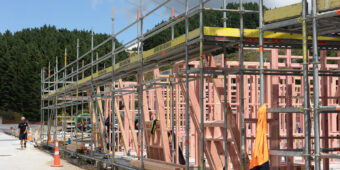
BuiltIn construction insurance expert Ben Rickard says homeowners face “no benefit whatsoever” under the Government’s plans to move to a…

The Employment Relations Amendment Bill (Bill) has now received Royal Assent and came into force on 21 February 2026. This article…

Learn how to reduce RFIs and speed up building consents with better documentation, searchable PDFs, and clear compliance details The…
You must be logged in to post a comment.