

‘No benefit whatsoever’ under proposed liability regime
08 Mar 2026, Industry News, News, Regulation
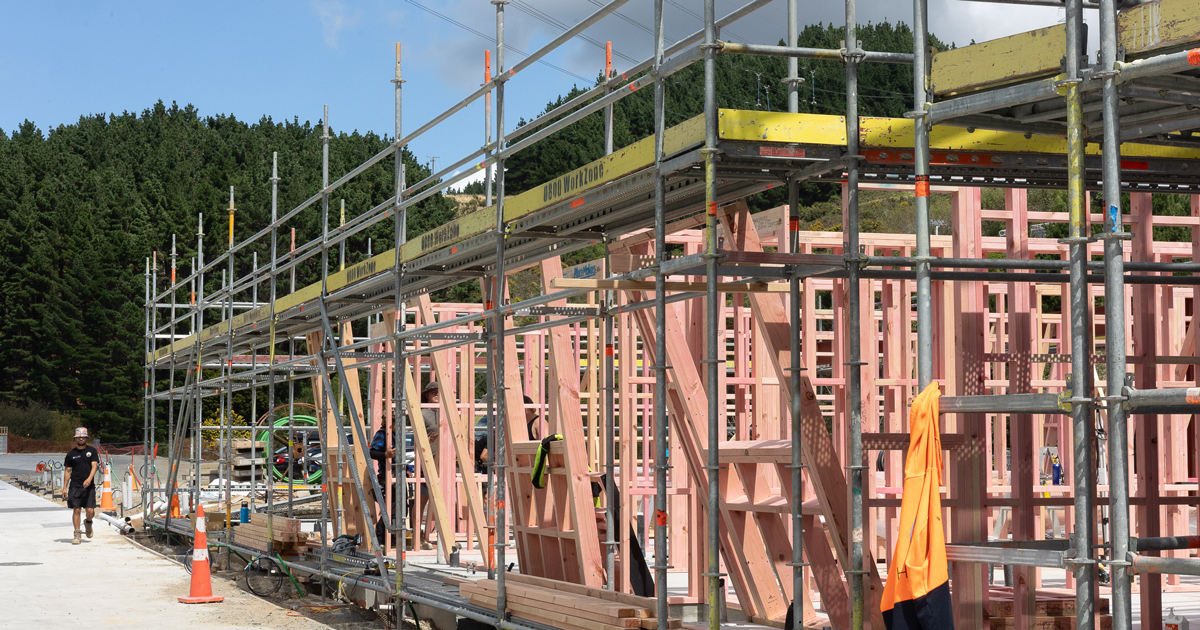

BuiltIn construction insurance expert Ben Rickard says homeowners face “no benefit whatsoever” under the Government’s plans to move to a proportional liability model and make it mandatory for professionals involved in building work to hold a builder’s home warranty
Under Construction previously reported that, in line with its proposed move to proportional liability, the Government plans to make 10-year builder home warranties compulsory for all new residential buildings of up to three storeys, and for renovations costing more than $100,000 incl GST.
Under the current ‘joint and several’ liability rules, homeowners are often able to sue their local building consent authority (BCA) if they negligently inspected the works and issued the building consent. Being the “last man standing”, BCAs end up bearing 100% of the remedial costs if there is a problem with a home’s construction and the other responsible parties – such as designers, developers and builders – are no longer operating.
Under the proposed new proportional liability regime, each responsible party would only have to contribute its share of the costs. This leaves a potential gap in the compensation available to homeowners if some parties are no longer trading.
To reduce this liability, builders would be required to provide a builders home warranty that covers all defects for the first year and structural defects for the full 10 years, and designers and engineers would need to hold professional indemnity insurance at the time they carried out the work.
PI Insurance: No protection after “shutting up shop”
However, Rickard said the plan leaves a gap in protection for homeowners from errors made by designers and engineers.
“Making it mandatory for designers and engineers to hold professional indemnity insurance at the time they do the work is of no benefit whatsoever if the issue is not identified until five years later, when they have closed up shop. This is because professional indemnity is a policy type known as ‘claims made’, which means that having a policy at the time the work was done is irrelevant if the issue is not picked up until years later, when the designer or engineer has potentially cancelled their policy.”
The legislation has come under further scrutiny following an NZ Herald investigation, which revealed the Government is planning to allow the requirement for mandatory professional liability insurance to be suspended for up to four years.
“The Government agreed to empower itself to suspend mandatory warranties/insurance if they weren’t widely available or affordable… a suspension could be imposed at any time, for up to two years. It could then be extended for up to two years,” wrote NZ Herald journalist Jenée Tibshraeny.
Building and Construction Minister Chris Penk said in a Cabinet paper that “New Zealand’s insurance market relies on overseas reinsurers, who may withdraw if systemic building defects emerge, or following major shocks such as natural disasters”.
To avoid practitioners running foul of the law, Penk said the Government requires the ability to pause mandatory insurance requirements.
The only way suspension works
Rickard said that if the Government had to suspend the mandatory builder home warranty requirement, it would almost certainly need to provide a Government-backed alternative, as was done in a similar situation in Queensland. If not, it would potentially collapse the residential building market if owners, or their banks, didn’t want to take the risk.
“In a proportionate liability environment, a Government-backed alternative would be the only way to reduce the exposure homeowners would face if they couldn’t secure a warranty because insurers have exited the market,” he said.
Register to earn LBP Points Sign in