

RMA transition to new planning system begins
19 Oct 2026, Building & Housing, Industry News, News, Prove Your Know How, Regulatory
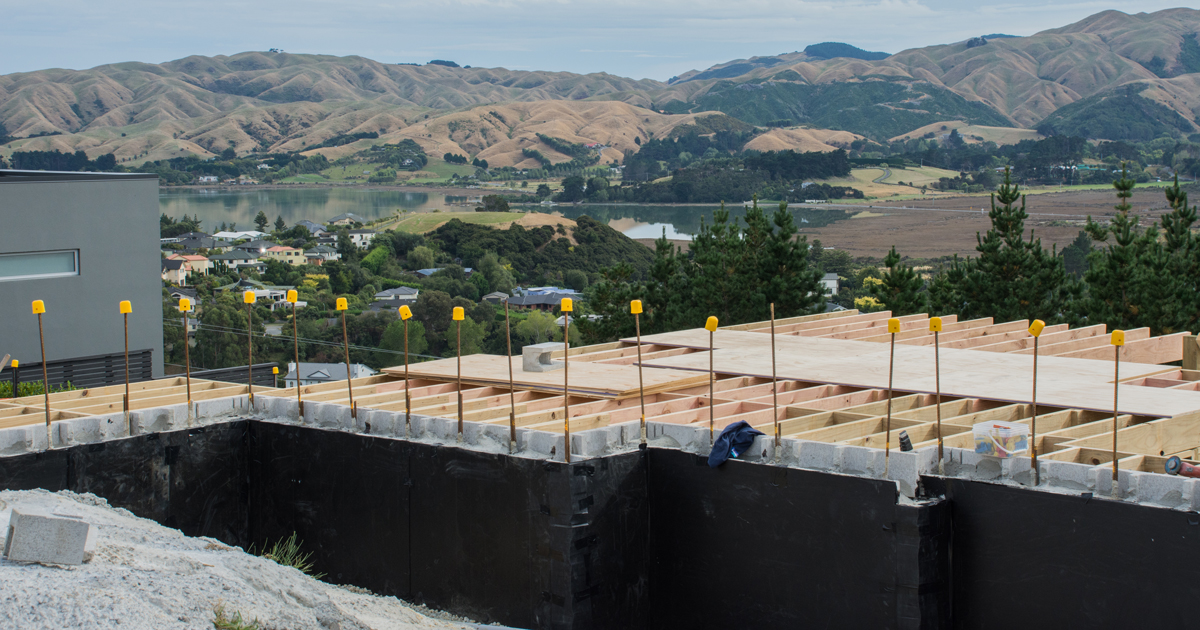
New laws replacing the Resource Management Act promise a simpler and more consistent approach to development – but builders won’t wake up to an entirely new consenting system overnight
The Planning Act and Natural Environment Act received Royal assent on 30 September, beginning New Zealand’s transition away from the Resource Management Act (RMA).
The Government says the new system is intended to make it easier to build homes and infrastructure, while providing greater certainty about where development can occur and improving environmental management.
Why change the RMA?
At the heart of the reform is an attempt to answer more high-level questions about development before an individual project reaches the consenting stage.
Under the current system, planning requirements can vary considerably between councils, while questions about where development should occur and what effects need to be considered can be revisited through plans and individual resource consent applications.
“A developer should not face different planning rules each time they cross a council boundary,” said Parliamentary Under-Secretary Simon Court.
The new system aims to make more of those decisions earlier, while standardising rules and reducing the need to revisit issues that have already been settled at a national or regional level.
National policy will set overall direction, while national standards will introduce greater consistency in planning rules and requirements around the country.
Regional ‘spatial plans’ will look much further ahead, identifying where regions expect housing, businesses and infrastructure to grow over the next 30 years and beyond, alongside natural hazards and areas facing environmental constraints.
In simple terms, the new planning hierarchy will look something like this:
National direction and standards
Here are the national priorities, requirements and standardised rules the planning system must follow.
↓
Regional spatial plan
We want more housing and supporting infrastructure in this area.
↓
District land-use plan
Here are the detailed rules governing what can be built and how land can be used in that area.
↓
Individual project
Does my proposed development comply with those rules? If yes, can I proceed as a permitted activity? If not, what planning consent do I need?
Natural environment plans will sit alongside district land-use plans, setting requirements for the use and protection of natural resources.
Each region will eventually have a combined plan incorporating these three components: the long-term regional spatial plan, a natural environment plan and district land-use plans.
The practical aim is greater certainty. A builder, developer or property owner should be able to establish more easily what can be done on a site, what rules apply and whether planning approval is required.
The reforms are also intended to allow more activities to proceed without planning consent where they comply with established rules.
That does not mean building consents disappear. Resource management and building control remain separate systems, so work that does not require planning approval may still require building consent.
What changes now?
Despite the new Acts becoming law, the existing RMA system is not disappearing immediately.
Councils will continue processing resource consents and carrying out compliance and enforcement under the RMA while the new planning framework is developed.
The transition is expected to continue until around 2030, with national direction and standards developed first, followed by regional spatial plans and then the new land-use and natural environment plans. Existing RMA approvals will carry over into the new system.
While the complete replacement system is still several years away, some changes affecting builders and developers take effect almost immediately.
From 30 October, several matters will be removed from consideration when councils assess district land-use consents and designations. For residential activities, these include:
- Outdoor living space.
- Internal layout.
- The presence or absence of balconies.
- The area of glazing.
- The size of a residential unit.
- The size of landscaped areas, except where permeability is relevant.
Other excluded matters include views from private property and, for projects more generally, whether there is demand for a project or whether it is financially viable.
If a proposal breaches only rules relating to these excluded matters, applicants will be able to seek a deemed permitted activity notice instead of going through the usual resource consent process.
Applications lodged before the transition period begins will continue to be processed under the previous RMA provisions.
What could it mean for builders?
If the reforms work as intended, their longer-term significance for builders should be less about learning another planning system and more about encountering the planning system less often.
Greater use of permitted activities could reduce the number of projects requiring resource consent, while national standards are intended to reduce unnecessary differences between council areas.
Law firm MinterEllisonRuddWatts says the reforms are intended to provide a more direct and certain framework for determining planning consent applications.
That addresses concerns previously raised by New Zealand Certified Builders chairman Nick Farrell, who told Herald NOW in December 2025 that inconsistencies between councils and uncertainty around consenting costs and timeframes were problems for the residential construction sector.
Reducing those delays, he said, could help builders maintain a steadier pipeline of work and retain staff.
However, much of the promised benefit will depend on how the new national direction, standards and regional plans are developed and implemented over the next several years.
Concerns over implementation
Engineering New Zealand supports the objective of creating a more effective planning system and has welcomed spatial planning in particular. It says coordinating decisions about housing, transport, water, energy and other infrastructure could reduce future costs and provide greater certainty for communities and investors.
But it has also warned that the speed at which the new framework and national policy direction are being developed could create inconsistent implementation, gaps in decision-making and increased litigation.
“Perhaps the biggest missed opportunity was securing long-term consensus around the future of our resource management system,” the organisation said.
It argues that engineers, infrastructure providers and investors need a system capable of surviving changes of government if it is to provide genuine long-term certainty.
Engineering New Zealand also raised concerns about new provisions requiring councils to provide relief in some circumstances where environmental, heritage or other specified planning protections significantly restrict a landowner’s reasonable use of their property. It warned that the potential financial liability could discourage councils from introducing important protections.
For builders, that leaves an important distinction between the intention of the reforms and their eventual effect.
The intended direction is towards fewer unnecessary consents, more consistent rules and greater certainty about where development can occur. But with the RMA remaining in operation while the replacement system is progressively developed, how much simpler building actually becomes will depend on the national standards and regional plans that emerge over the next several years.
Register to earn LBP Points Sign in