

Silica dust: a hidden risk on site
05 Feb 2026, Expert Advice, Health & Safety, Industry News, News
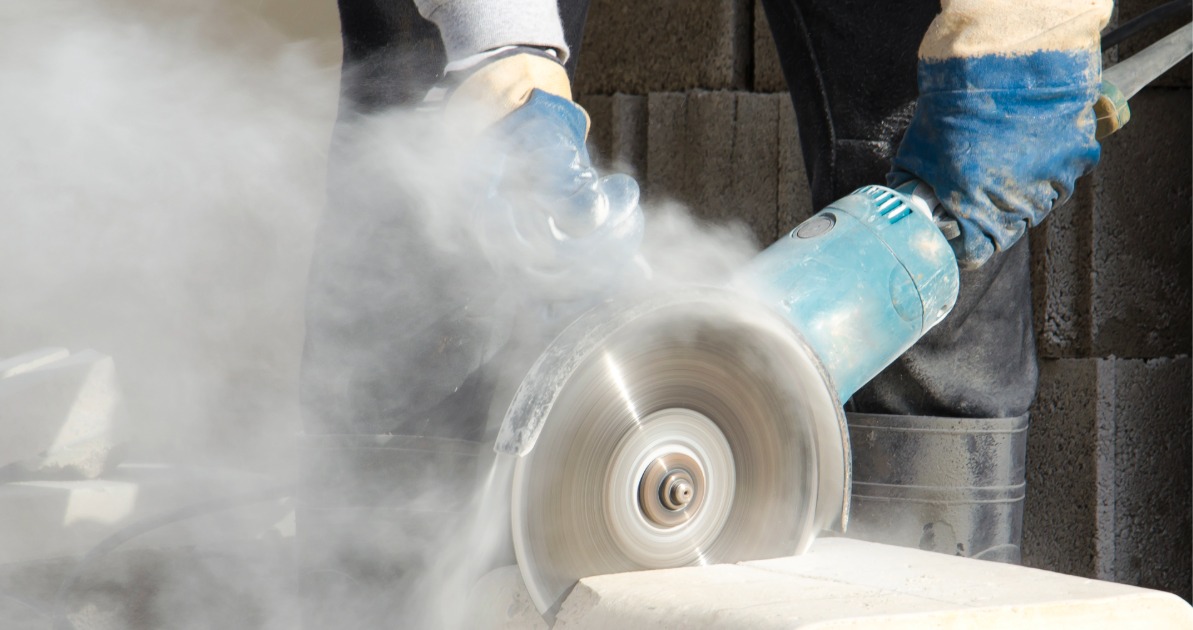
While many construction hazards are easy to spot, some of the most dangerous are invisible – such as respirable crystalline silica (RCS) dust
RCS dust is created when materials such as concrete, brick, stone, mortar or engineered stone are cut, ground, drilled, sanded or otherwise disturbed on site. RCS particles are so fine they may not be visible, yet they can be breathed deep into workers’ lungs, causing permanent lung damage and other health effects.
What makes silica dust dangerous?
Workers exposed to RCS dust can develop silicosis, a progressive fibrotic lung disease where fine dust scars the lungs, causing breathlessness and permanent damage that can keep getting worse even after exposure stops. WorkSafe New Zealand describes silicosis as a “progressive and deadly” disease.
There are three types of silicosis:
- Acute silicosis: may occur after exposure of less than a year to very large amounts of RCS dust.
- Accelerated silicosis: may occur after exposure to large amounts of RCS dust over a shorter period of time, typically three to 10 years. Prominent in workers from the artificial/engineered stone kitchen benchtop industry.
- Chronic silicosis: typically results from exposure to RCS dust over more than 20 years.
Workers exposed to RCS dust can also develop other forms of lung disease. This includes:
- Lung cancer: long-term exposure to silica dust increases the risk of developing lung cancer.
- Chronic obstructive pulmonary disease (COPD): includes conditions such as chronic bronchitis and emphysema, which make it harder to breathe and can affect day-to-day work and life.
Because RCS dust exposure may not cause immediate symptoms, workers and PCBUs often don’t realise the risks until serious harm has already occurred. That makes prevention essential.
How should PCBUs control RCS dust
A Person Conducting a Business or Undertaking (PCBU) is legally required under the Health and Safety at Work Act 2015 to eliminate or, if that’s not reasonably practicable, minimise worker exposure to such risks.
WorkSafe NZ’s guidance for controlling silica dust in the workplace outlines a hierarchy of controls that PCBUs must apply to protect workers.
1. Eliminate and substitute risk where possible
- Use materials that do not contain silica if reasonably practicable.
- Alternatively, aim to use materials with a lower silica content. For instance, engineered stone has approximately 90% silica compared with natural stone like marble and limestone, which have around 2% silica.
- Where substitution isn’t possible, identify tasks that will generate RCS and plan controls accordingly.
2. Controlling dust at the source
- On‑tool water suppression and on‑tool extraction systems must be used where practicable to prevent dust from becoming airborne.
- Keeping the work material wet with either water spray or misting systems helps to suppress the dust.
- Dust control features should be integral to tools and machinery, not added after purchase wherever practicable.
3. Vacuum extraction and filtration
When vacuuming dust:
- PCBUs must use industrial‑rated H‑class vacuum cleaners designed and certified for hazardous dusts. Standard household or trade‑store vacuums, even with “HEPA” filters added, are not suitable for RCS dust and should not be used.
- WorkSafe specifies that H‑class vacuums should comply with AS/NZS 60335.2.69 and be fitted with filters achieving 99.995% efficiency (eg, H14 industrial grade).
- Regular maintenance, inspection and testing of H‑class vacuums is essential to ensure they continue to perform effectively. (Specific maintenance standards for industrial vacuums are outlined in standards such as AS/NZS 60335.2.69 and AS 4260.)
This level of filtration and design is necessary to reliably capture the extremely fine particles generated by RCS dust.
4. Personal protective equipment (PPE)
PPE is considered the least effective control and must never be the only measure. However, it remains a critical backup:
- PCBUs must provide appropriate respiratory protection that complies with AS/NZS 1716 and is selected in line with AS/NZS 1715.
- Carry out fit testing for each worker who will wear a respirator that requires a seal against the face.
- Overalls, gloves and worksite hygiene reduce the risk of carrying dust home. Workers should leave their dust-covered clothes at work to be cleaned.
Keeping your crew informed and healthy
Silicosis often catches workers off guard because the risks aren’t always obvious. The best defence is talking to your team and making sure they understand what RCS is and how to best protect themselves.
Set up exclusion zones with signs to mark the boundaries of work areas where RCS dust is created. The signs should warn workers about the hazards and specify the PPE to be used.
Ensure your crew understands the importance of washing their hands before eating, drinking and smoking, and of washing up before they go home at the end of the day.
Register to earn LBP Points Sign in