
Stay safe in the heat
16 Mar 2026, Expert Advice, Health & Safety, Industry News, Regulatory
Working in hot conditions is part of the job for many in the trades. If you’re out in direct sun, operating machinery, or working in confined spaces, heat can pose a serious risk to your health and safety. Knowing the warning signs and managing the risks early can stop heat exposure from becoming life-threatening. This article from HazardCo explores ways you, and your staff, can do just that
Some tasks significantly increase the likelihood of heat exhaustion, including working in direct sunlight, working near heat-producing equipment, working in confined or enclosed spaces with limited airflow, completing underfloor, ceiling, or roof work, operating inside cabs of mobile plant and indoor environments with high humidity
These environments stop airflow, trap heat, and increase physical strain, making it harder for the body to keep the right temperature.
Warning signs of heat-related illness
Heat-related illness can start quickly, so it’s important to recognise the early symptoms. Keep an eye out for:
- Dizziness, weakness or fatigue.
- Nausea or vomiting.
- Pale, cool or clammy skin.
- Rapid breathing or a pounding pulse.
- Muscle cramps or heat cramps.
- Dark-coloured urine (a sign of dehydration).
- Loss of balance.
- Mood changes or confusion
If these symptoms are ignored, heat exhaustion or heat stroke can develop.
Practical tips to stay safe
Managing heat risk starts with good planning and simple preventative steps. It’s important to plan your day in advance as the sun is typically strongest between 10am and 4pm. Make sure to schedule regular breaks during these hours and, where possible, complete shaded or indoor tasks during peak heat.
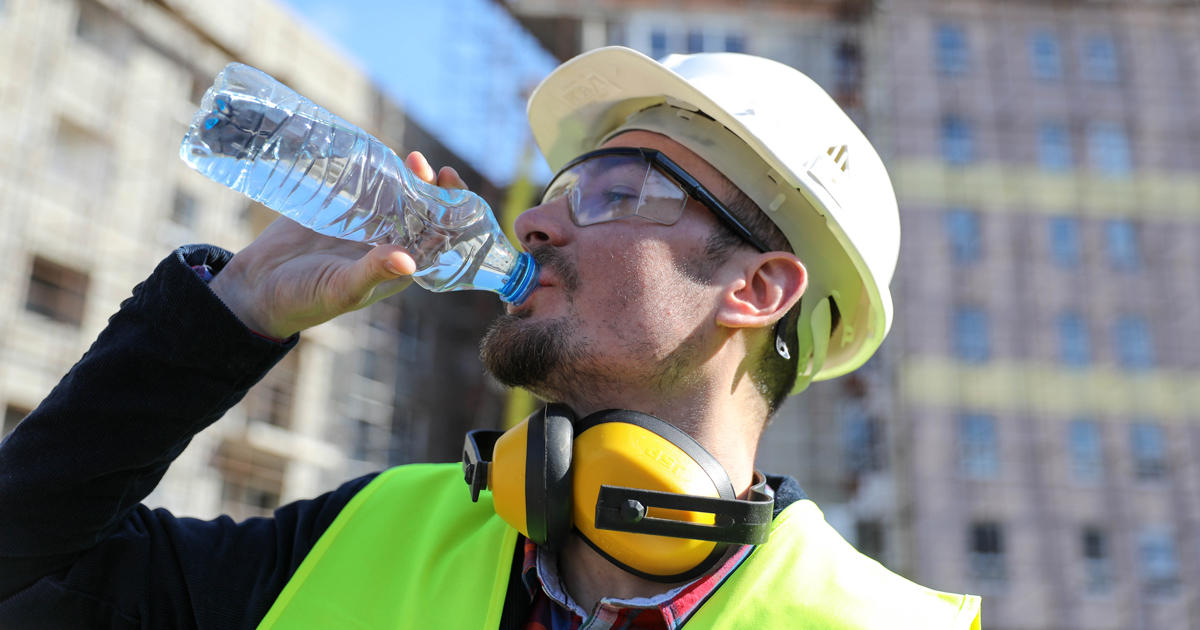
It’s important to drink plenty of water throughout the day, even if you don’t feel thirsty. Avoid caffeine and energy drinks. Even though it’s tempting to charge up on high caffeine drinks, working in the heat means you lose fluids quickly through sweating, and dehydration can creep up on you as caffeine is a diuretic, which means it stimulates the kidneys to release more sodium and water into the urine.
You must also protect yourself and remember to slip, slop, slap and wrap when working outdoors. Be mindful that even on cloudy days, UV rays can still cause harm – and will still burn exposed and unprotected skin!
Tradies working outside must also work at a steady pace, and avoid overdoing it. Swap out heavy tasks when you can and use machinery to reduce strain during hot conditions.
Tell your boss if you have any health conditions or are taking medication that might make you sensitive to extreme heat and listen to your body! Just because the weather is good doesn’t mean you should push through.
Tiredness also affects concentration, reaction times, and decision-making, increasing the risk of incidents – so it’s important that you don’t try and be a hero when you feel this creeping on.
And finally, if temperatures become extreme, it’s safer to pause work until it’s cooler.
Look out for each other
Heat stress management is a team effort. Check in on your mates regularly and encourage them to speak up if something isn’t right. Acting quickly can prevent a situation from escalating. Talking about the effects of UV and working in extreme heat at your Safety or Toolbox Meetings is a great way to keep this risk front of mind. Recording these meetings in the HazardCo App makes it easy to track and stay compliant.
Hot weather might be part of the job, but heat related illness doesn’t have to be. Plan ahead, stay aware, and make safety the priority every time.
Register to earn LBP Points Sign in