
Building for higher resilience
16 Mar 2026, Industry News, News, Reports
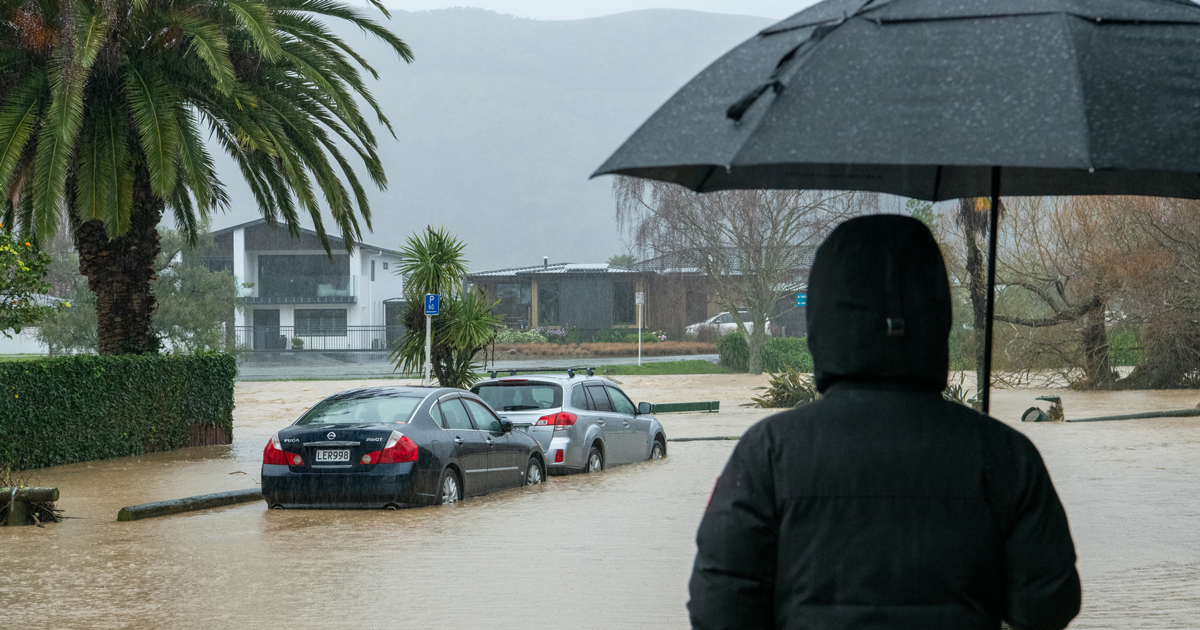

The Natural Hazards Commission Toka Tū Ake outlines how New Zealand can strengthen its resilience to natural hazards in its latest report, and points to specific training developed for builders
The Natural Hazards Commission (NHC) Toka Tū Ake – formerly known as the EQC – aims to reduce the impact of natural disasters on people and property by protecting homeowners and helping them recover from natural hazard events.
In 2025, NHC supported 73 active research projects and invested $10m in research. The findings, highlighted in its2025 Resilience Highlights Report, includes new research, guidance and practical tools aimed at improving building performance and land-use decisions to reduce the impact of natural hazards across New Zealand.
Dr Jo Horrocks, NHC’s Chief Resilience Officer, said the report provided a snapshot of the organisation’s work across research, planning and building design.
“We’re pleased to share this report, which gives a snapshot of the diversity of resilience work underway – from uncovering new insights into earthquake and climate risk, to improving building performance and supporting smarter land-use decisions across New Zealand,” she said.
Research examines benefits of building above code
The report highlights two NHC-funded studies examining the costs and benefits of building beyond minimum structural code requirements.
Research led by Dr Charlotte Toma at the University of Auckland focused on medium-density housing. It found that buildings designed for low-damage performance in high-hazard earthquake zones can significantly reduce lifetime carbon emissions by avoiding demolition and major repairs after earthquakes.
A separate study led by Dr Alex Shegay, also from the University of Auckland, is investigating the economic costs of base isolation, a construction technique that allows buildings to move independently from ground shaking. Early findings suggest base-isolated buildings cost more upfront, but can become cost effective within 10-15 years due to lower repair costs and reduced earthquake damage.
Taken together, the studies indicate that building for higher resilience can reduce both long-term costs and environmental impacts by limiting repair work and demolition following earthquakes.
Guidance and training for the building sector
The report also highlights new guidance aimed at helping the construction sector design buildings that experience less damage during earthquakes.
In 2025, Volumes 2 and 3 of the Low Damage Seismic Design (LDSD) Guidance were released. Developed in partnership with the Structural Engineering Society of New Zealand, the Ministry of Business, Innovation and Employment (MBIE) and industry experts, the guidance supports engineers and builders designing new buildings to perform above minimum code requirements.
The report also notes the release of two online training modules for builders, developed with BRANZ, MBIE and industry partners. The modules provide practical guidance on retrofitting existing homes and ensuring new builds meet seismic safety standards, drawing on lessons from the Christchurch and Kaikōura earthquakes and recent BRANZ research.
The modules count as elective skills maintenance and are available HERE.
Planning tools and landslide risk
Beyond buildings, the report also highlights work aimed at improving land-use decisions and identifying higher-risk land.
New Slope Stability Guidance developed by the New Zealand Geotechnical Society aims to help geotechnical professionals assess landslide risk more consistently, supporting safer development on slopes.
Research modelling supported by NHC also showed that stricter zoning in flood-prone areas could reduce vulnerable residential development by up to 19% in a simulated Auckland scenario.
Register to earn LBP Points Sign in