

Plumbers and drainlayers will carry individual liability
24 Jul 2026, Building & Housing, Govt Announcements, Industry News, Prove Your Know How, Regulation
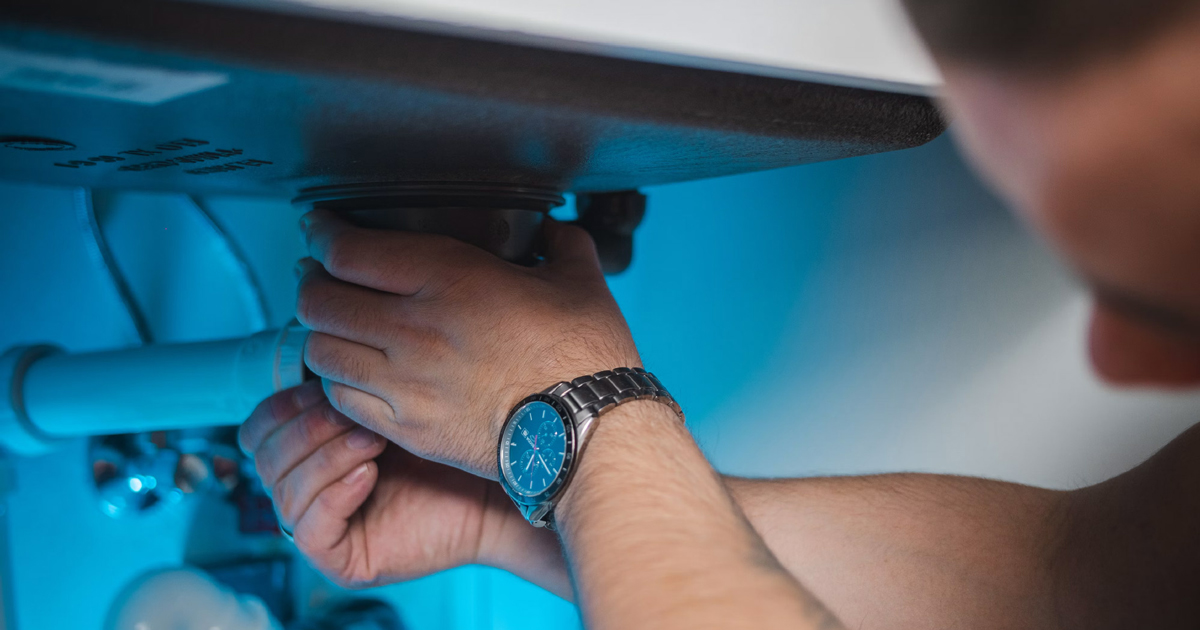
The Ministry of Business, Innovation and Employment has confirmed to Under Construction that endorsed plumbers and drainlayers who self-certify eligible work may be held individually liable if defects are identified after a Code Compliance Certificate has been issued
Self-certification for plumbing and drainlaying is a new, opt-in scheme that allows endorsed plumbers and drainlayers to self-certify that eligible work complies with the building consent.
According to MBIE’s website, it’s designed to lead to fewer inspections by building consent authorities (BCAs), faster project timeframes and a more streamlined building consent process. It is also intended to support trusted, competent plumbing and drainlaying professionals while keeping public health, safety and building quality a priority.
Certifying plumbers and drainlayers will be able to apply to become endorsed by the end of 2026 with the Plumbers, Gasfitters, and Drainlayers Board.
Individuals can be held liable
When asked by Under Construction, Suzannah Toulmin, Manager Consenting and Practitioners Policy at MBIE, said that individual plumbers and drainlayers would be endorsed, rather than companies – and will need to hold suitable insurance.
“Plumbers and drainlayers who wish to become endorsed will need to be able show they have adequate means to cover their civil liabilities,” she said. “In practice, the adequate means assessment for the plumber and drainlayer could rely on their employer’s insurance. However, If the company they worked for were to cease trading, it is possible that the plumber or drainlayer would be held liable for any defects following the issue of the Code Compliance Certificate.”
Toulmin said the Building Amendment Bill – which this is part of – would also introduce proportionate liability, meaning parties involved in defective building work would be responsible for the share of costs that reflects their contribution.
Additionally, BCAs would be required to accept a self-certification certificate even where supporting information may show a compliance issue.
“BCAs must accept a certificate of compliance for self-certification by plumbers and drainlayers as evidence that the work is compliant,” Toulmin explained. “If all required documentation has been provided and the certificate meets the legislative requirements, BCAs will be required to accept the certificate and will not have the discretion to refuse it.”
When asked to clarify, Toulmin said that “the certificate meets the legislative requirements” meant a simple check to ensure the certificate has been submitted properly.
“The ‘certificate meeting the legislative requirements’ means that the certificate has met the regulatory information requirements set out in the Plumbers, Gasfitters, and Drainlayers (Self-certification and Certificate of Compliance Information) Regulations 2026. It does not mean the BCA has assessed the certified work for compliance with the Building Code,” she said.
“Under the self-certification scheme, the BCA’s role is to check the certificate for completeness, while responsibility for certifying the work complies with the building consent rests with the endorsed plumber or drainlayer. This also includes ensuring the work meets the Building Code requirements.”
Wider self-certification scheme under development
Looking beyond the plumbing and drainlaying scheme, Toulmin said MBIE’s proposed self-certification model for entire residential builds is a separate piece of legislation and remains under development.
“The two self-certification schemes are independent of each other and have two different scopes.
“For the proposed self-certification scheme for entire residential builds, the policy intent is that companies registered to self-certify take responsibility for Building Code compliance for the entire dwelling. For entire build self-certification, individual Licensed Building Practitioners (LBPs) will still have responsibility to carry out their work with reasonable care and skill, but it would be the company that self-certifies, not the individual LBP.”
Register to earn LBP Points Sign in