
New landslide research shows need for better planning
06 Jul 2026, Industry News, News, Prove Your Know How, Reports
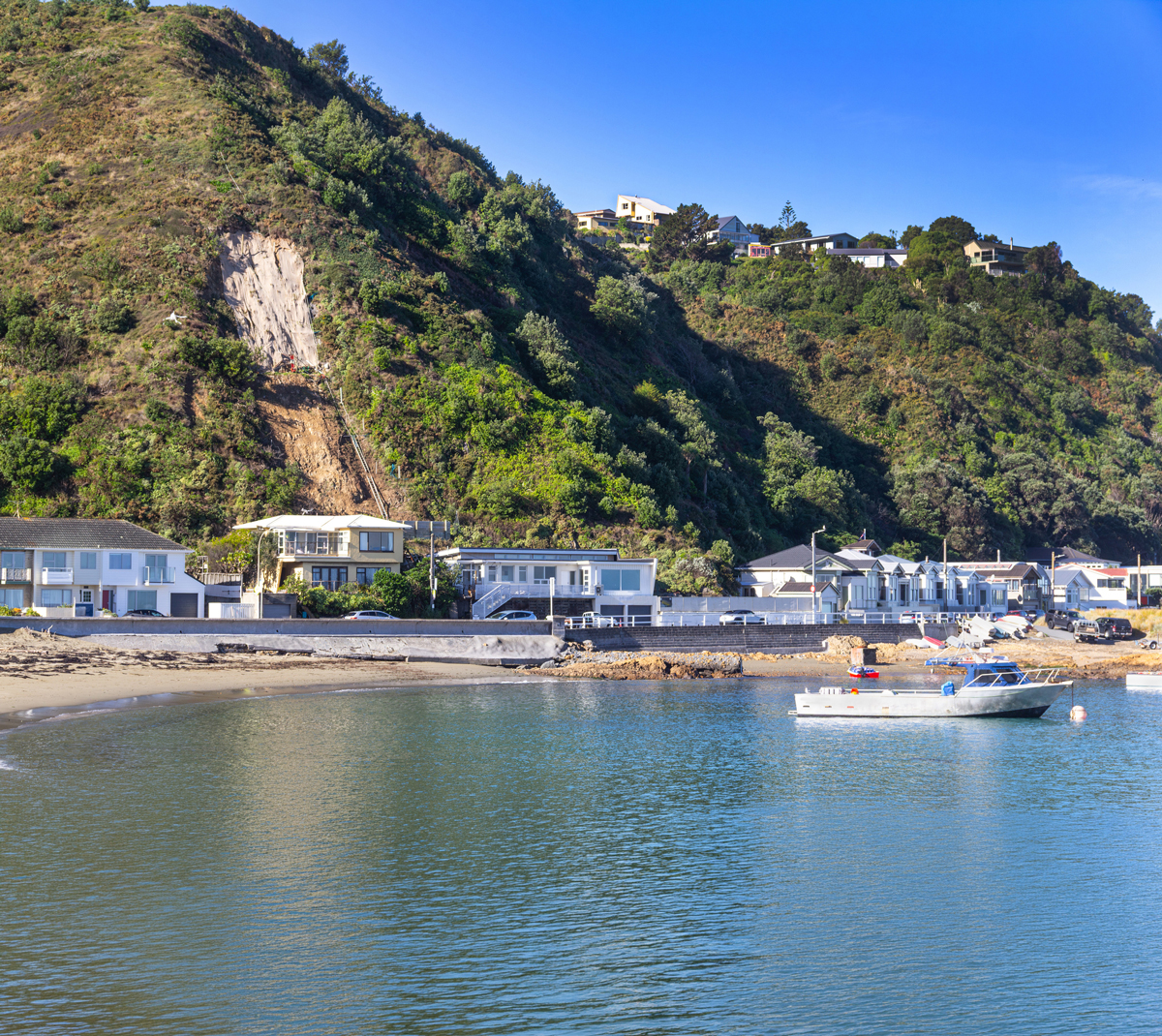
Research produced by the University of Canterbury (UC) and Earth Sciences New Zealand suggests that under a warmer climate, future storms similar to Cyclone Gabrielle could be even more extreme, triggering tens of thousands more landslides across parts of the North Island, and highlighting the need for targeted planning in vulnerable areas
In 2023, Cyclone Gabrielle triggered an estimated 800,000 landslides across the North Island, which researchers say makes it one of the most extreme landslide events ever recorded.
The study examined landslide hazards in Tairāwhiti and Hawke’s Bay under a +2°C warming scenario. The researchers modelled how many landslides would have been triggered if Cyclone Gabrielle had occurred in this warmer climate. As well as the number of landslides increasing dramatically, the results suggest these new landslides are likely to occur in areas already prone to slipping, intensifying the hazard in already vulnerable locations.
Lead author, UC PhD candidate Livio Dreyer, said the research will empower planning that protects communities in the future.
“By combining landslide observations from Cyclone Gabrielle with climate and landscape data, we were able to build a picture of which slopes are most hazardous and how that hazard could change in a warmer climate. This helps turn complex modelling into information that can support real-world planning.”
A valuable tool
Study co-author, Dr Tom Robinson, Senior Lecturer in Disaster Risk and Resilience from UC’s School of Earth and Environment, said the research provides a valuable tool for understanding the realities of climate change impacts.
“Cyclone Gabrielle clearly showed us how devastating these storms can be. This research uses the concept of a ‘storyline approach’ to take an event that communities have experienced and ask how it might behave in a warmer climate. That makes the technical aspects of future risk much easier to understand and, importantly, much easier to plan for.”
He added that finding out that new landslide hazard zones are likely to form adjacent to existing hazard zones is important for construction.
“It tells us that the locations we either try to avoid building in due to landslides, or where we must invest in slope mitigation as part of the construction, are likely to get worse with climate change,” he said.
“However, landslides are unlikely to spread to entirely new areas. So, when we think about our construction practices today, if we need to include slope mitigation works, then we need to ensure those works are able to withstand increased landslide hazard in the coming years. So, larger and more expensive slope works are likely required in zones where landslides are an issue today.”
Dr Kerry Leith from Earth Sciences New Zealand said the findings demonstrate the importance of using climate science to inform practical adaptation measures.
“We can’t prevent extreme weather events from occurring, but we can reduce their consequences. Identifying high-risk areas and investing in targeted mitigation measures, including appropriate land management and vegetation cover, will help communities better withstand future storms.”
Register to earn LBP Points Sign in