

Self-certification goes live for plumbers and drainlayers
21 Sep 2026, Industry News, News, Prove Your Know How, Regulation
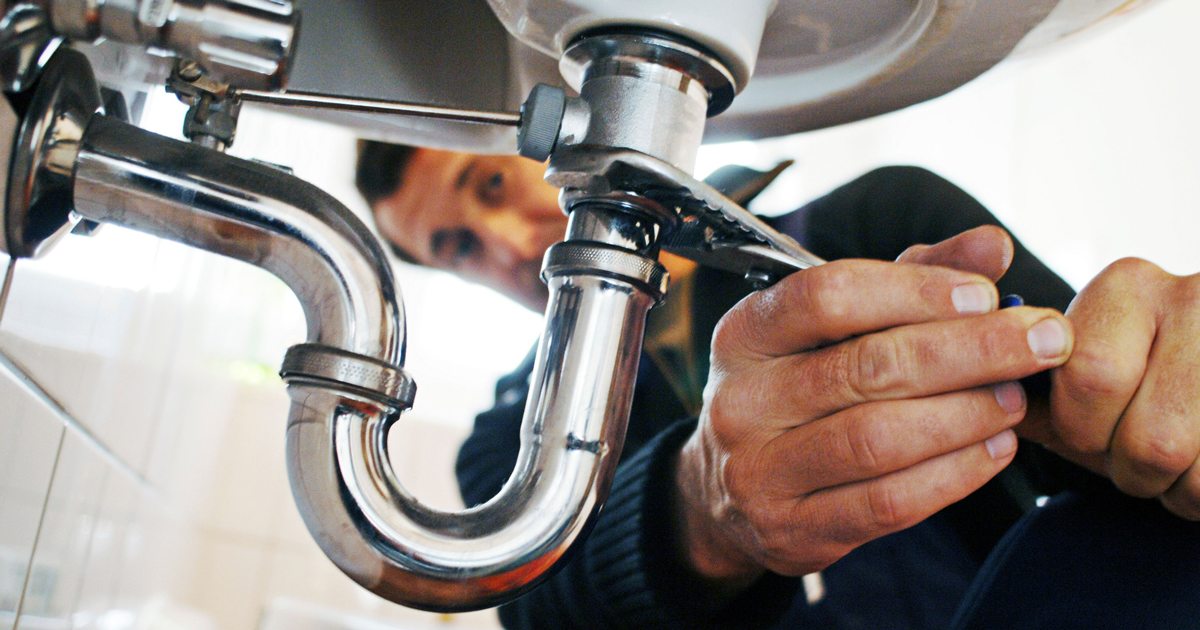
Eligible plumbers and drainlayers can now apply to self-certify their work under a voluntary scheme intended to reduce inspection delays – but those who participate will assume greater responsibility for compliance
Certifying plumbers and drainlayers have been able to apply for a self-certification endorsement since 7 September 2026, following the formal launch of the Government’s new scheme.
In a speech at Constructive 2026, Building and Construction Minister Simon Watts said endorsed practitioners would be able to certify that eligible work complied with a building consent without requiring an additional inspection by a building consent authority (BCA).
“This will save professionals and homeowners time and money,” said Watts. “There will no longer be an excuse for jobs being delayed while enduring long waits for inspections of straightforward plumbing and drainlaying work.”
The Minister said reducing the number of inspections required for eligible work would also allow BCAs to focus their resources elsewhere.
“It will also free up building consent authorities to focus on inspections where they’re needed and help reduce the time you need to wait for an inspection to be carried out,” he said.
Endorsement required
Self-certification is not automatically available to everyone holding a plumbing or drainlaying licence.
According to the Plumbers, Gasfitters, and Drainlayers Board, applicants must:
- Hold a current certifying plumber or certifying drainlayer licence.
- Complete the Board’s online self-certification training.
- Have appropriate insurance.
- Have suitable business systems and record keeping processes.
- Pay the $2,260 application fee and audit levy.
The scheme is voluntary and applies only to eligible plumbing and drainlaying work covered by a building consent. Practitioners without an endorsement can continue using the existing BCA inspection process.
The new scheme applies to eligible plumbing and drainlaying work. Master Plumbers says gasfitters have already been able to self-certify their work for 13 years.
For projects using the new pathway, the proposed self-certified work and the practitioner’s name and registration number should be included with the building consent application, where known. If those details are not available at that stage, the BCA must be informed before work begins.
The endorsed practitioner must provide a certificate of compliance and supporting documentation once the work is complete. This information must then be included in the application for the project’s Code Compliance Certificate.
Industry welcomes launch
Master Plumbers described the launch as a significant milestone following years of advocacy by the organisation.
“This common-sense reform recognises the skills and professional responsibility of qualified tradespeople and will reduce unnecessary delays and costs, while maintaining accountability and safety,” the organisation said in its response to the scheme’s launch.
It said the change should reduce inspection bottlenecks and support more efficient delivery of housing and infrastructure projects. However, it also anticipated that the regime would require some refinement as it was implemented.
Master Plumbers Chief Executive Greg Wallace previously said industry engagement had resulted in a scheme that balanced efficiency with the need to maintain standards.
“We have advocated strongly for self-certification for years and have worked closely with the Minister to ensure it will deliver the cost and time-saving benefits intended,” said Wallace.
“The scheme strikes a sensible balance between maintaining standards and enabling efficiency and will be well received by plumbers, drainlayers, and consumers alike.”
Responsibility shifts to practitioners
While self-certification removes the need for an additional BCA inspection of eligible work, it does not remove the requirement for the work to comply with the building consent and Building Code.
As previously reported by Under Construction, the endorsement is held by the individual practitioner rather than their employer. Endorsed plumbers and drainlayers may therefore be held personally liable for defective work identified after a Code Compliance Certificate has been issued.
BCAs must accept a properly completed self-certification certificate as evidence that the work complies. Their role is to check that the certificate contains the required information – not to reassess the certified work for Building Code compliance.
Responsibility for confirming that compliance rests with the endorsed plumber or drainlayer, reinforcing the importance of the scheme’s insurance, documentation and recordkeeping requirements.
Practitioners considering the scheme can review the requirements and begin the application process through the PGDB self-certification portal.
Register to earn LBP Points Sign in