
Wellington library project recognised after overcoming major engineering challenges
15 Jun 2026, Industry News, News, Prove Your Know How
Share the post "Wellington library project recognised after overcoming major engineering challenges "

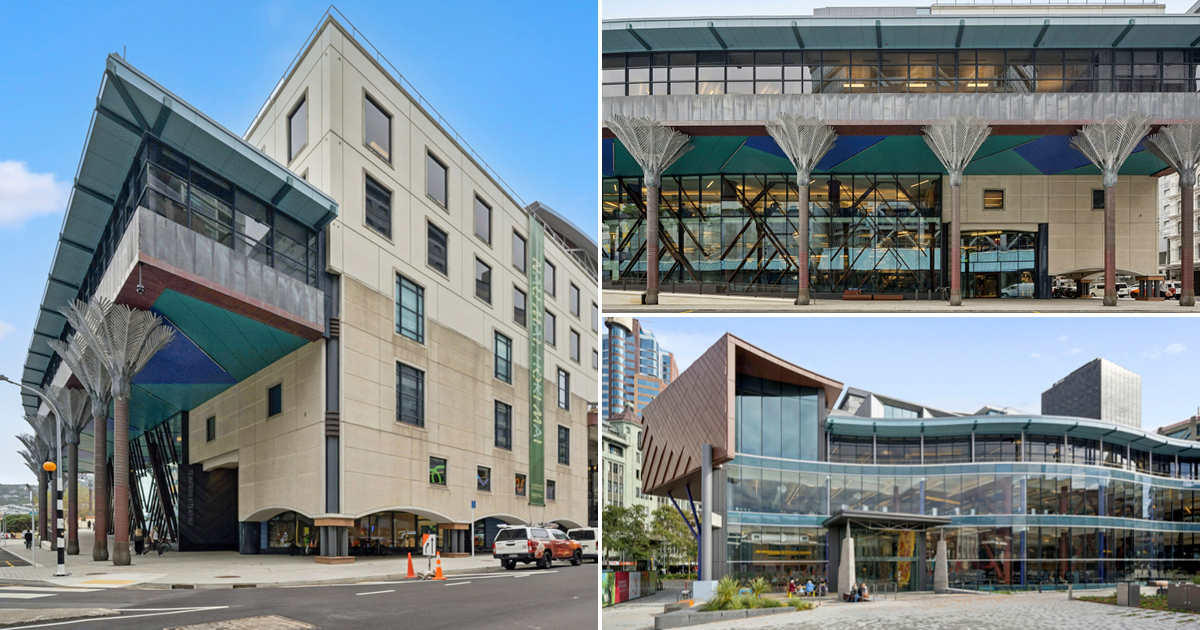
Te Matapihi Ki Te Ao Nui – Wellington Central Library has taken the Supreme Over $10m Award at the 2026 New Zealand Commercial Project Awards, with judges highlighting the project’s complex engineering, collaboration and delivery
Delivered by LT McGuinness, Te Matapihi Ki Te Ao Nui also received the Commercial Project Over $25m Value Award and the Civic Project Category Award. Judges described the project as an example of how “every challenge was met with calm, coordinated delivery”, citing its complex engineering, cost control and collaborative approach.
The award recognises a project that returned one of Wellington’s most significant civic buildings to public use after an extensive programme of seismic strengthening and renewal.
According to LT McGuinness Director Dan McGuinness, one of the project’s greatest challenges was carrying out major structural work within an existing building rather than on a vacant site.
“The complexity came from the fact that we were not building on a clear site. We were working inside an existing, much-loved civic building and strengthening it from within,” he said.
McGuinness said among the most technically demanding aspects was the installation of earthquake protection beneath the building, while the site location also added pressure.
“In simple terms, parts of the library had to be carefully held in place while major work happened underneath. That required a very calm, staged approach, with the team checking each step before moving to the next.”
“Te Matapihi sits in the middle of Wellington’s CBD, so space was limited, and several parts of the project were happening at the same time. Keeping that moving safely, while protecting the building and staying on programme, was a major achievement.”
Digital modelling was used to give construction teams a clear plan and shared understanding of what work needed to be carried out, and when, while also contributing to more efficient workflows, said McGuinness.
“It helped show how the new work would fit into the existing building before it happened on site, which helped reduce rework and keep the programme under control.”
Project Director for Wellington City Library Jeff McHardy said the solution was to break the work into carefully managed stages.
“Each stage had to be planned, checked and completed properly before the next one began. It was a good example of the wider approach to the project: stay calm, work through the detail, and keep the building and the programme moving safely.”
Strengthening rather than replacing
The project was originally undertaken after concerns about the building’s seismic performance, with demolition having previously been considered as an option.
McGuinness said preserving the library was an important objective from the outset.
“There had been a view early on that the library may need to be demolished, but the project showed it could be saved, strengthened and renewed.”
He said the building held particular significance for Wellington residents.
“Te Matapihi Ki Te Ao Nui is not just another building. It is part of the city’s daily life and has been a place where generations of Wellingtonians have gathered, learned, worked and spent time.”
Judges noted that the decision to strengthen and renew the building rather than demolish it helped preserve a significant civic landmark while reducing waste. The project also achieved a 5-Star Green Star rating.

Sustainability built into the project
McGuinness said the project’s sustainability credentials stemmed largely from retaining and extending the life of the existing structure.
“The most important sustainability choice was also the simplest to understand: keep the building and make better use of what was already there.”
New foundations, steel strengthening and base isolators were incorporated into the project to extend the building’s lifespan and improve its seismic resilience.
“The 5-Star Green Star rating recognised that wider approach, including material choices, waste management, building performance and long-term use.”
Recognition for the project team
The judges said the project had helped reconnect Wellingtonians with an important community space and restore activity to the surrounding civic precinct.
For McHardy, the greatest reward has been seeing the building return to everyday use.
“Behind the scenes, this was an extremely complex project, but the outcome is very human. Wellington has its central library back.”
The project marks the second consecutive year that LT McGuinness has received the Supreme Over $10m Award at the Commercial Project Awards. In 2025 it won for for the Ngā Mokopuna project (formerly The Living Pā). Situated at Victoria University of Wellington, Ngā Mokopuna is designed to meet the world’s most rigorous environmental certification – the Living Building Challenge, which provides a framework for designing, constructing, and improving the symbiotic relationships between people and all aspects of the built and natural environments.
McGuinness said the recognition reflected the efforts of the entire project team.
“For a Wellington family business that has been part of the city’s building story for decades, this award means more than recognition on the night. It reflects generations of experience, strong relationships, and the care that goes into delivering buildings that matter to the city.”
Register to earn LBP Points Sign in