

The danger of wood dust
05 Jun 2026, Expert Advice, Health & Safety, Industry News, Prove Your Know How
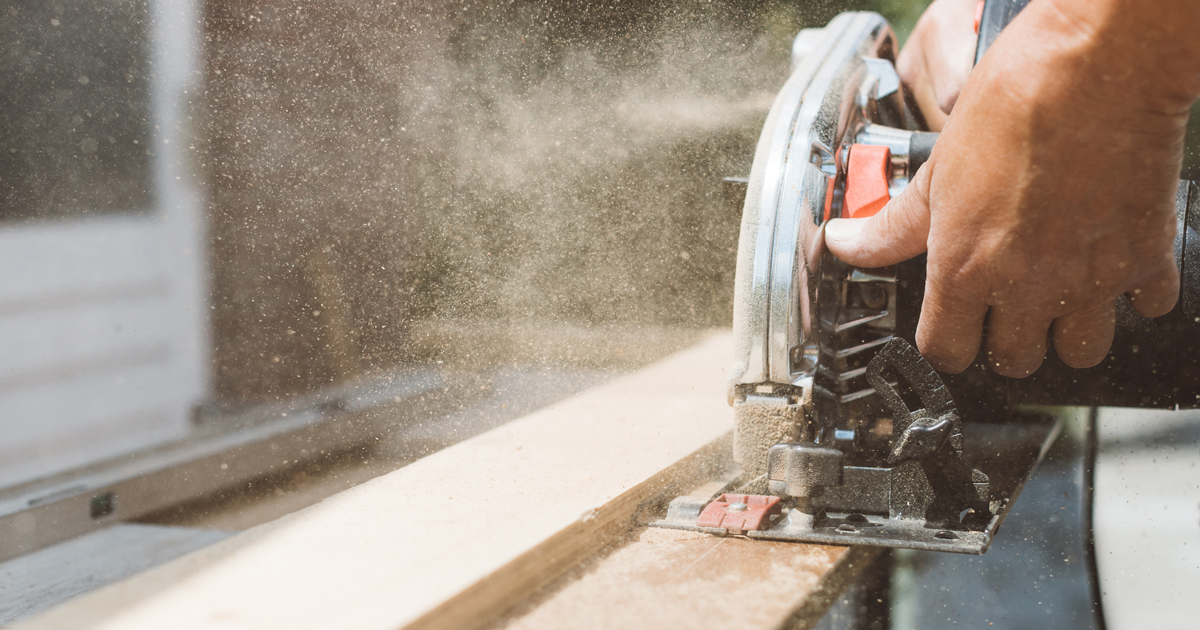
Exposure to all types of wood dust can lead to irreversible lung damage – while specific types of wood dust can lead to rare forms of cancer. Get up to speed with the danger of wood dust, and how you can protect yourself, here
According to WorkSafe, wood processing causes small particles of wood dust to become airborne – which puts workers at risk of inhaling them. These small particles can go deep into the lungs, causing damage to the lung tissue.
The following activities are likely to cause high dust exposure:
- Sawing and cutting.
- Routing and turning.
- Sanding.
- Dry sweeping of dust.
- Use of compressed air.
- Bagging dust from dust extraction systems.
“Each time this happens a small amount of irreversible damage occurs,” says WorkSafe. “This damage reduces the lungs’ ability to take in oxygen and over time makes it increasingly difficult to breathe.
“The presence of glues, resins, formaldehyde and other wood treatment chemicals in some wood products increase the health risks from wood dust.”
A dangerous substance
Exposure to all types of wood dust can also lead to the development of illnesses such as asthma, and can trigger asthma attackers in sufferers. The Asthma and Respiratory Foundation NZ also says that specific types of wood can be an even greater health risk.
“Western red cedar and iroko can cause a rare form of nasal cancer (extrinsic allergic alveolitis). Exposure to any type of wood dust can cause irritation, allergic rhinitis (runny nose) and impaired lung function,” it warns.
However, red cedar and iroko wood dust aren’t the only form of carcinogenic wood dust. According to the International Agency for Research of Cancer (the specialised cancer agency of the World Health Organisation), all wood dust is considered carcinogenic to humans and can cause cancer of the nasal cavity and paranasal sinuses.
Skin contact with wood dust can cause also ulceration of the skin, irritation and dermatitis.
Under New Zealand law, all persons conducting a business or undertaking (PCBUs) have a duty to ensure, so far as is reasonably practicable, the health and safety of their workers and other workers who activities they influence or direct.
How to control wood dust exposure
WorkSafe guidance states that wood dust exposure can be controlled in the following ways:
- Eliminate the risk by buying pre-cut or processed wood materials.
- Local exhaust ventilation (LEV) is one of the most effective ways to control dust at the source. Use LEV systems to capture dust from cutting, shaping and sanding wood either by hand or machine.
- Use on-tool extraction on saws and grinders to control wood dust at source.
- Refer to the manufacturer’s operating instructions for equipment use and maintenance. For example, use the correct saw blade or planer for the task.
- Use water damping methods where practical.
- Don’t use blowers, fans or compressed air to move wood dust.
- Provide a suitable industrial vacuum to remove dust from work areas.
- Minimise worker exposure by limiting the time each person spends doing dusty work.
- Advise workers to wear respiratory protection equipment (RPE) when emptying vacuum cleaner bags or collection bags – there is a potential for high wood dust exposure.
- Ensure workers wear RPE and other personal protection equipment (PPE) suitable for the task. Advise workers to remove work clothing such as overalls carefully at the end of the task or shift to avoid generating dust clouds.
- Provide washing facilities at work so dust is not taken home.
- Advise workers to wash their face and hands immediately after finishing the task and before eating, drinking or smoking.
PCBUs mut eliminate risks so far as is reasonably practicable, and where it is not possible, they must minimise them. PCBUs also have a duty to monitor the health of workers and workplace conditions to ensure workers are not injured or made ill by their work.
Register to earn LBP Points Sign in